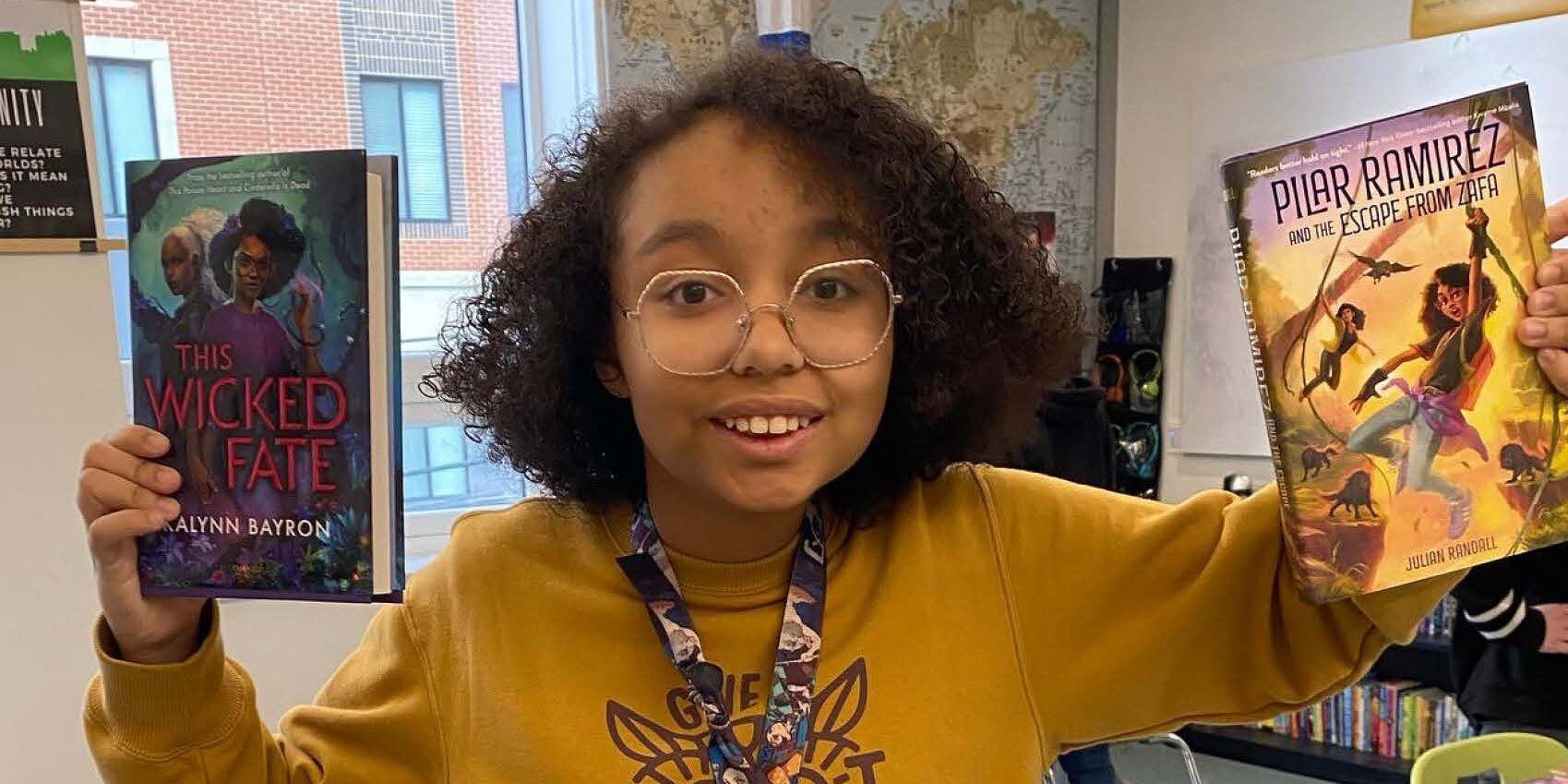
Diverse Books Impact on Student Reading
First Book Research & Insights study reveals the impact increasing access to diverse books in classroom environments has on student reading and students’ reading scores.
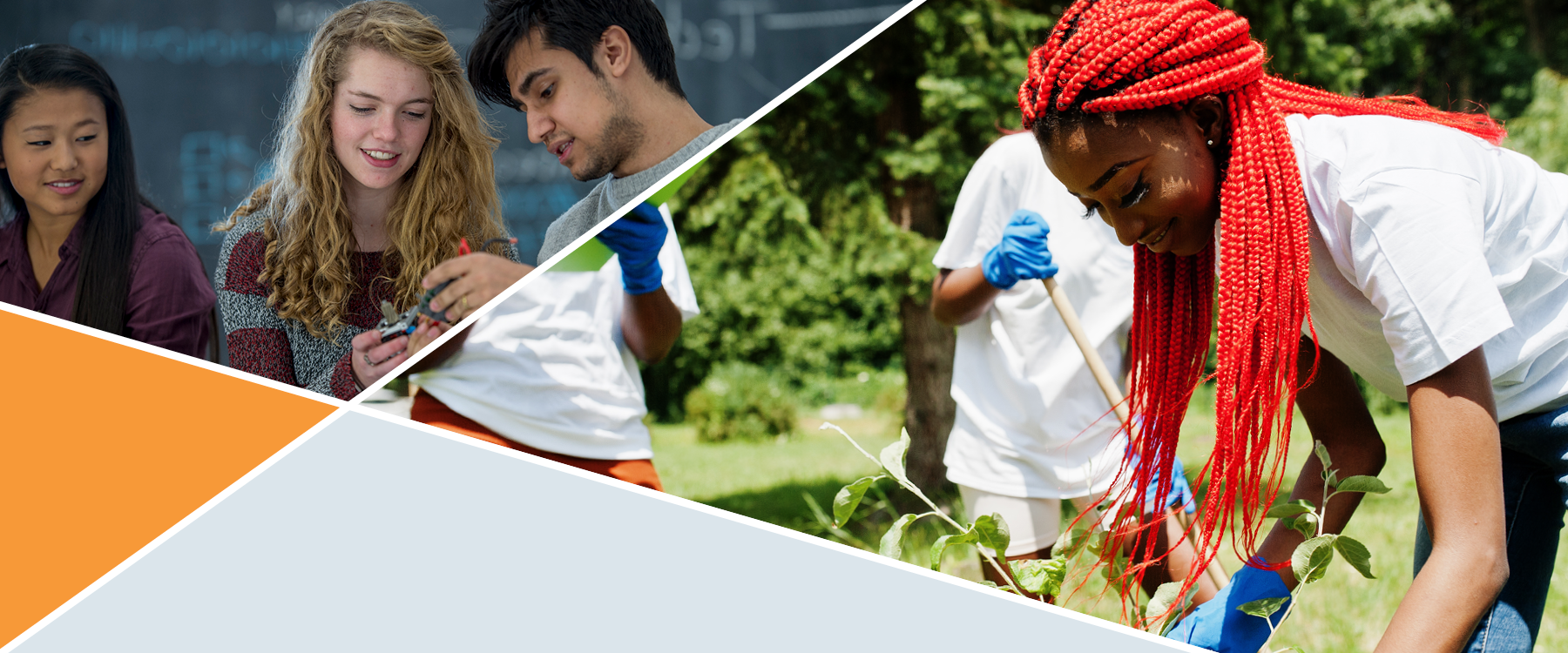
Time for Change Youth Challenge Winners
Meet the young changemakers transforming their communities with innovative solutions—discover the inspiring winners of the Time for Change Youth Challenge in our latest blog post!
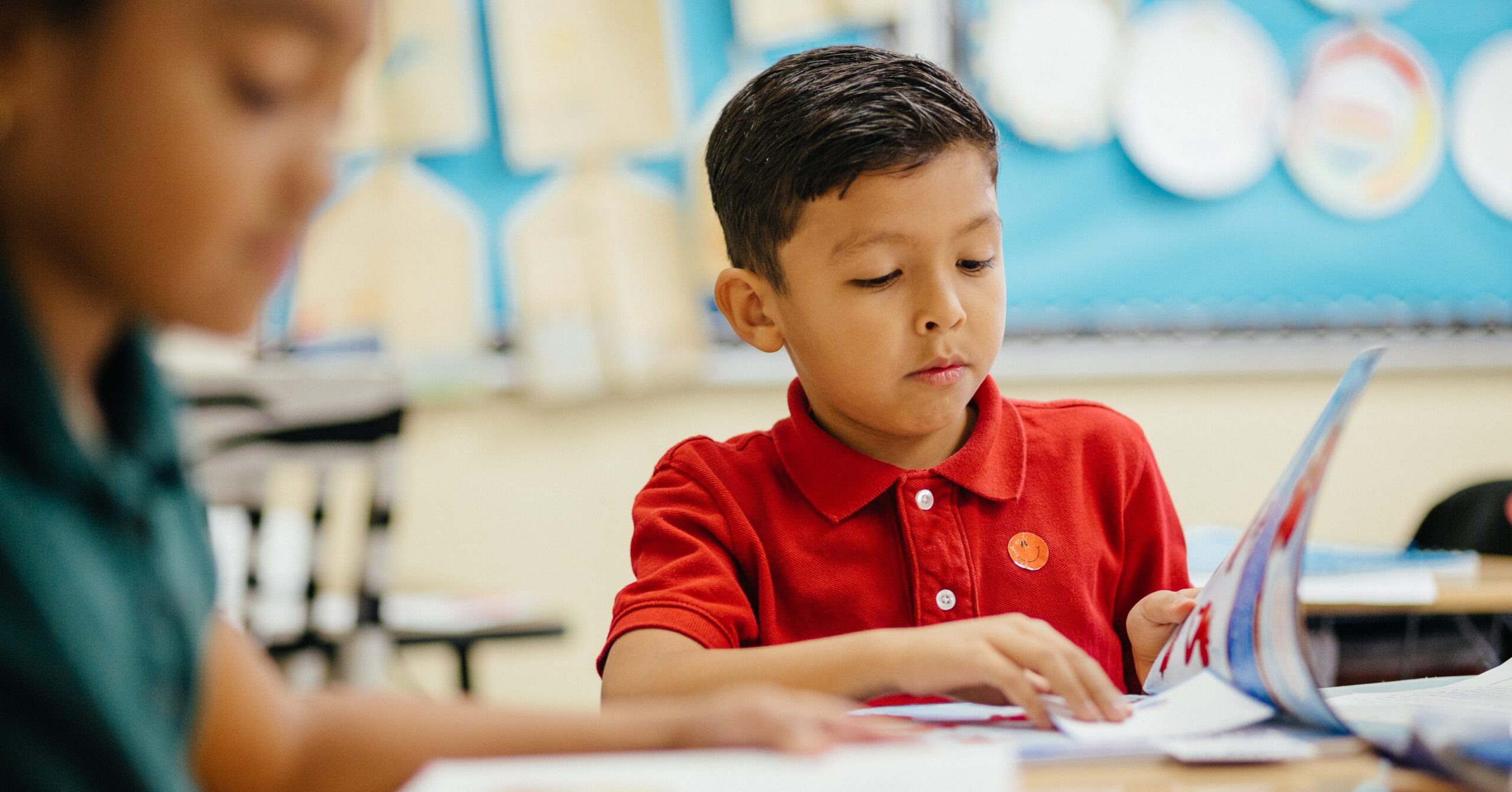
The Impact of Book Bans on Educators and Students
First Book Research & Insights study reveals how educators and their students are responding to book bans.
Support First Book
Millions of children from low-income areas don’t have the tools they need to learn. You can help us reach millions of children and educators each year.


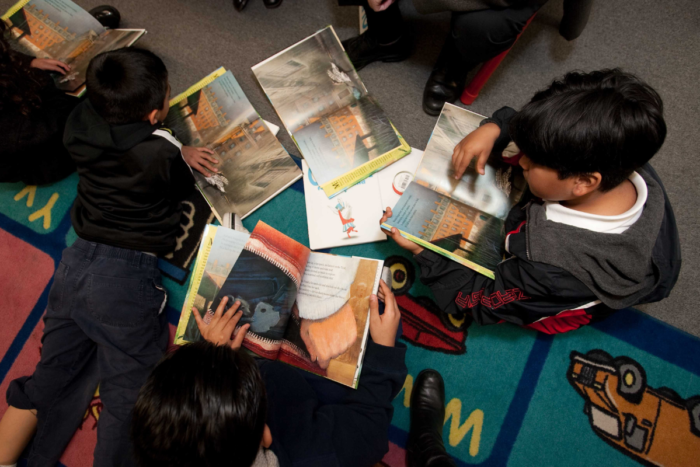
New Research & Educator Guide
Understanding the current state of classroom libraries
Fifty-one percent of educators reported that their classroom library/reading area would be considered a literacy rich environment across all areas of the checklist. Yet, the survey reveals that a full 30 percent of classroom libraries fall short of meeting the literacy rich guidelines and educators currently see no way to meet them.
Fifty-four percent of educators report having 10 or fewer books per child in their classroom libraries. On average, educators also estimate that less than half (40 percent) of their book selections represent diverse cultures and almost one-third of educators do not consider their book collection to have an adequate representation of diverse cultures (First Book Literacy Rich Environments Survey, 2022).
Our Mission
We envision a world where every child has access to a quality education.
Because education transforms lives.
- We level the educational playing field for children in need.
- We’re on a mission to ensure that all children, regardless of their background or zip code, can succeed — by removing barriers to equitable education.
Our Impact
First Book reaches 5 million kids each year in low-income communities across North America through a powerful network of more than 575,000 individual educators, professionals and volunteers specifically working with children in need. This is the largest online community of its kind.
Over 31 years, First Book has distributed more than 225 million high-quality books and educational resources to support kids, and the educators who serve them.
Our Model of Change
First Book is a nonprofit working to remove barriers to an equitable education for children living in low-income communities. We are passionate supporters of individual educators who serve kids in need. We pride ourselves on having business minds and non-profit hearts. First Book is dedicated to breaking down the barriers to educational equity by increasing access to evidence-based best practices, books, and resources in underserved communities. And First Book is a bridge-builder, collaborating with public and private partners, translating best-in-class expertise into educational resources to support learning for children in underserved communities.
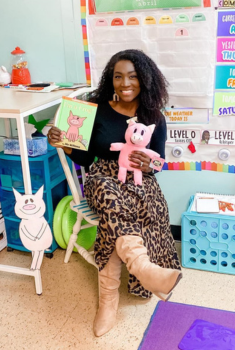
First Book Network
The First Book Network is made up of more than 575,000 individual educators who exclusively serve kids in need.

First Book Marketplace
The First Book Marketplace provides 24/7 access to high-quality, new books, and educational resources at deeply discounted prices to First Book’s network of individual educators.
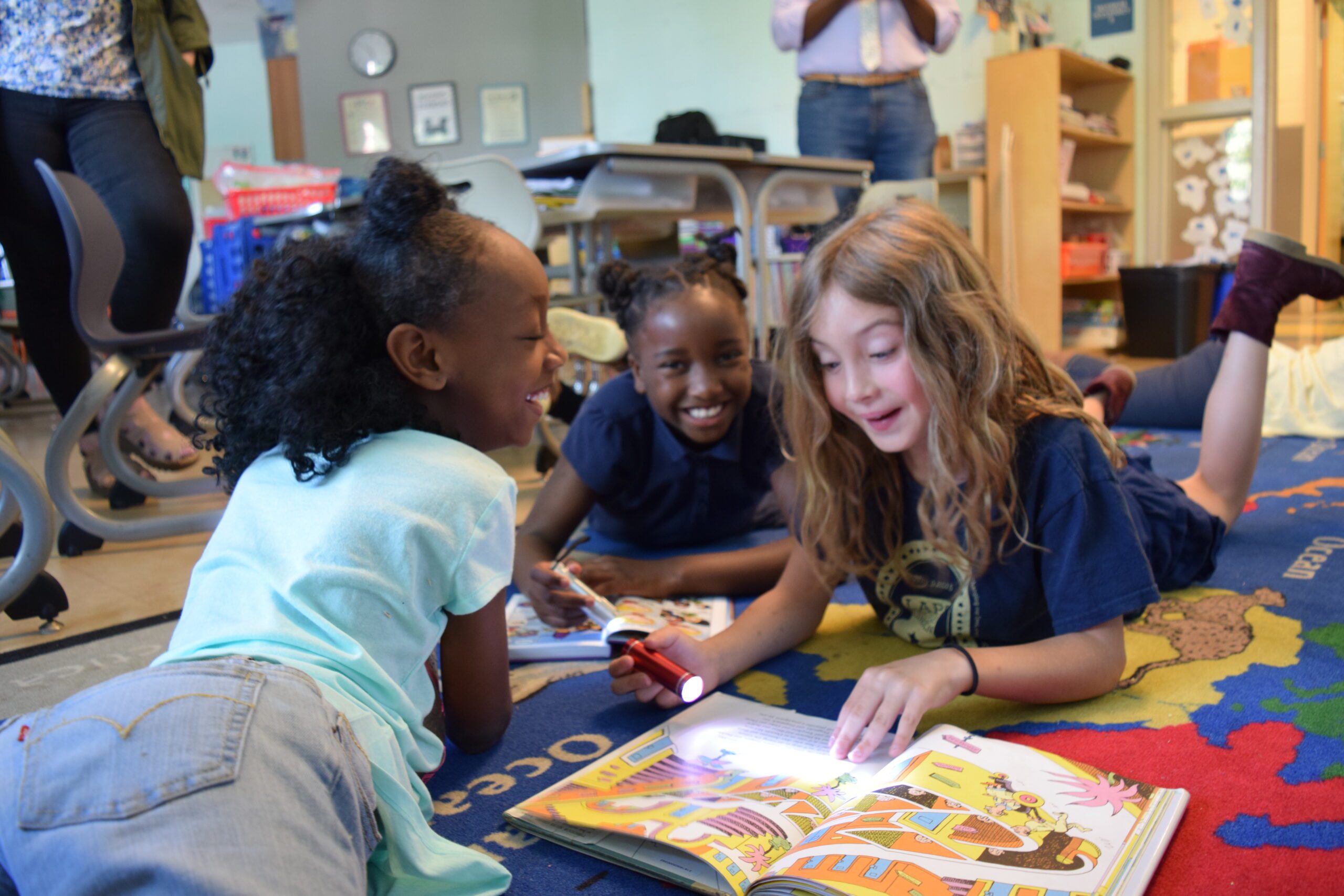
First Book Research & Insights
First Book Research & Insights conducts qualitative and quantitative research, providing essential insights that guide the field and helps us identify what students need to overcome learning barriers.
First Book Accelerator
The First Book Accelerator turns our cutting-edge research into expert-informed, actionable teaching tools — in weeks rather than decades — so educators don’t have to wait for the latest evidence-based strategies that will help their students.
Featured Partners
Dedicated partners help us create even more opportunities for educators and kids in need.


This is one of the best organizations I have ever worked with in my many years in education and library services. The vast knowledge, resources, and opportunities that First Book provides are superb.
First Book Supporter